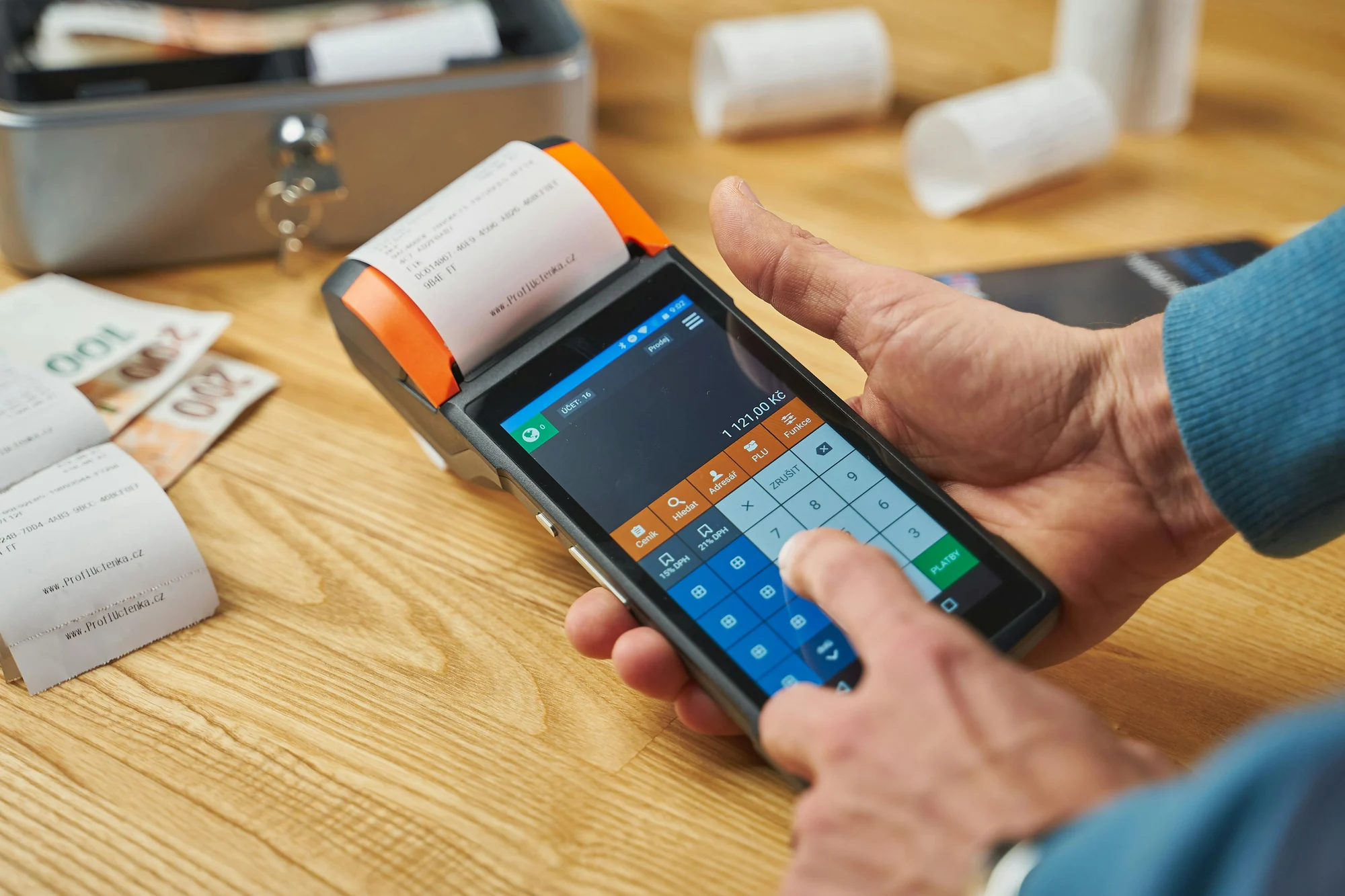
For many Kenyan businesses, eTIMS still sounds like a tax-office project, but the real impact is felt at the counter. Every sale, refund, receipt, customer record, stock movement, and branch report now needs to be treated as part of a traceable operating workflow. KRA describes eTIMS as the electronic Tax Invoice Management System, a software solution for tax invoicing that can be accessed from computers, laptops, tablets, smartphones, and other supported devices. That flexibility is useful, but it also means business owners have to decide where invoicing should actually live in the daily routine: inside the POS, beside the POS, or after the POS when the accountant starts reconciling records.
The best answer is usually simple: keep the sale, the receipt, the stock impact, and the compliance record as close together as possible.
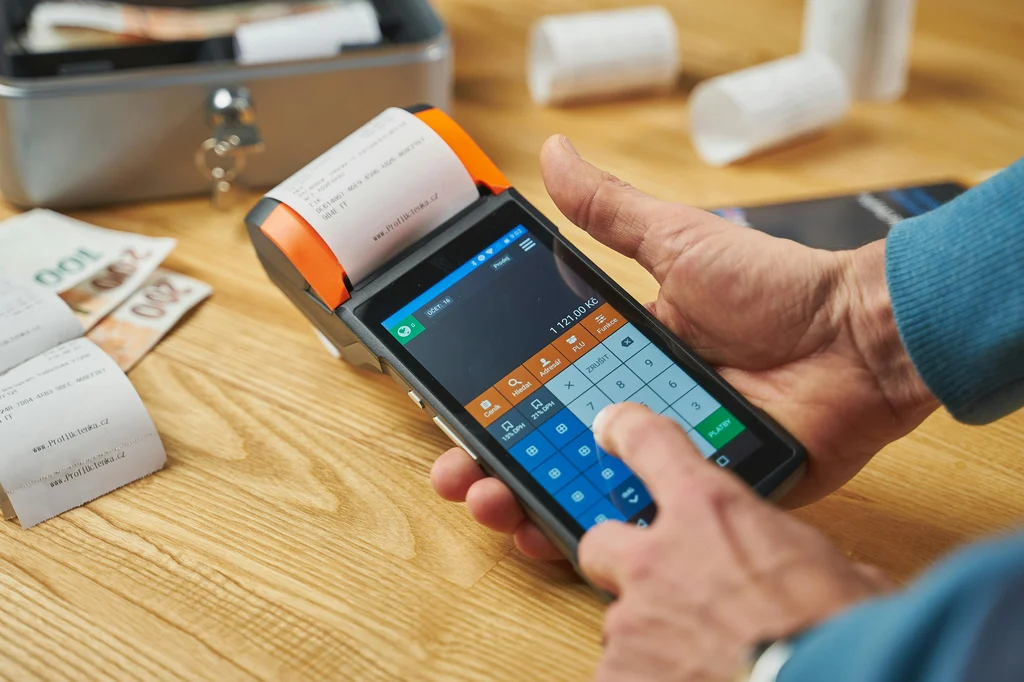
KRA guidance says all persons engaged in business are required to onboard eTIMS and issue electronic tax invoices. That includes companies, partnerships, sole proprietors, informal sector traders, and businesses that may not be VAT registered. For a shop owner, that shifts compliance from a monthly paperwork issue into an everyday checkout discipline.
This is why a modern POS cannot only be a cashier screen. It has to understand products, quantities, invoice numbers, payment methods, customers, branches, users, shifts, and reports. If those records are scattered across notebooks, M-Pesa messages, Excel files, and separate receipt books, the owner may still sell successfully, but the business becomes harder to audit, harder to manage, and harder to grow.
OptiBiz POS is built around that practical reality. The point is not to make compliance feel heavier. The point is to make the correct record happen naturally while the cashier is doing normal work.
Start With the Sales Workflow
A good eTIMS-ready workflow starts before the first invoice is sent. Products need clean names, selling prices, stock units, tax treatment, and categories. Users need roles, because the person selling at the counter should not always have the same permissions as the owner or accountant. Branches need clear separation so that Nairobi, Kisumu, Eldoret, and Mombasa outlets do not become one confusing sales pile. Payment methods need to be named consistently so that cash, M-Pesa, card, bank transfers, credit sales, and split payments can be reviewed without guesswork.
Once the structure is clean, the cashier experience can remain fast. The operator searches for products, confirms quantities, applies discounts where allowed, captures the customer when needed, accepts payment, and produces the sales record. Behind the scenes, the system updates stock, preserves a transaction trail, and prepares the information managers need for reporting and compliance review.
KRA lists different eTIMS options, including Lite solutions, an online portal, eTIMS Client, Virtual Sales Control Unit, Online Sales Control Unit, and buyer initiated invoicing. Not every business needs the same path. A small service provider may operate differently from a supermarket, a distributor, a repair center, a restaurant, or a multi-branch pharmacy. The right POS discussion therefore starts with how the business sells, not with technology for its own sake.
For growing teams, the important question is whether the selected setup can survive busy hours, staff turnover, stock changes, new branches, and management reporting. A system that works only when the owner is standing next to the cashier is not really a system.
Make Compliance Useful to Management
The strongest benefit of an eTIMS-ready POS is not only avoiding mistakes. It is the management visibility that comes from clean data. When invoices, payments, products, and stock are connected, managers can ask better questions: what moved today, what is almost out of stock, which cashier handled a transaction, which branch is improving, and which product is tying up cash without selling.
This matters because KRA has also been encouraging voluntary compliance and taxpayer education through structured engagement with the private sector. That direction rewards businesses that can keep transparent records, respond quickly to questions, and prove what happened without rebuilding the story from many disconnected sources.

There is still a human side to the rollout. Staff need training, product data needs cleaning, hardware has to be selected carefully, and owners need to understand which reports matter. A receipt printer, barcode scanner, cash drawer, Android terminal, or label printer can help, but hardware cannot fix a weak workflow by itself.
The practical move is to review the business in layers. First, confirm the sales process. Second, clean product and branch data. Third, define payment methods. Fourth, choose the right eTIMS path with professional guidance where needed. Fifth, train the people who will use the system daily. When those pieces are aligned, compliance becomes a normal outcome of running the business well instead of an end-month scramble. Owners should also decide who reviews exceptions, how corrections are approved, how branch managers escalate problems, and how the accountant receives clean reports. That rhythm matters because compliance is rarely one single action. It is a series of small habits repeated every day: checking product setup, confirming receipt flow, reviewing payment totals, protecting user access, and keeping records easy to explain.
OptiBiz exists for that moment: when selling, managing, reporting, and staying compliant need to become one connected flow. A retailer should not have to choose between speed and accuracy. A restaurant should not have to rebuild sales history after service. A distributor should not lose visibility because branches work differently. With the right POS foundation, the business can serve customers, preserve records, and give managers the confidence to make decisions from the same source of truth. That is the practical bridge between compliance and growth: records that satisfy formal requirements while also helping the owner run the shop better every day.