Most retail managers already have more data than they use. Every sale creates a record. Every stock adjustment tells a story. Every discount, return, cashier shift, customer visit, payment method, and branch transfer leaves a signal. The problem is not that the business has no information. The problem is that the information often arrives as long tables, exported spreadsheets, separate M-Pesa statements, stock counts, and reports that only make sense when someone has time to study them. AI becomes useful when it helps managers move from raw records to clear action.
In a POS environment, AI should not be a gimmick. It should be a practical assistant for asking better business questions.
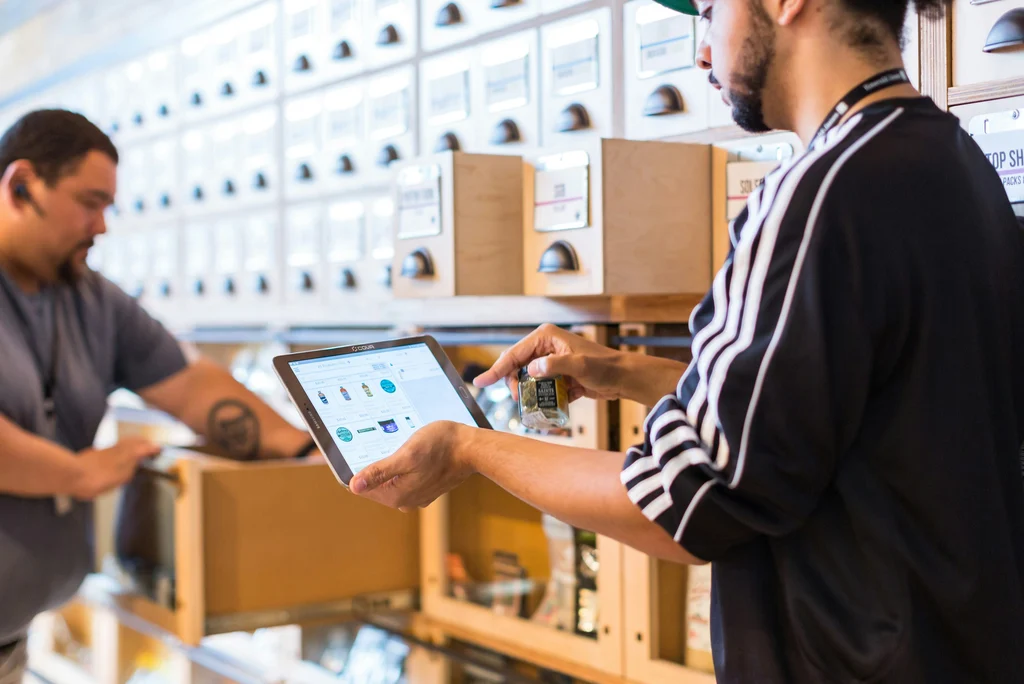
Imagine opening the dashboard and asking which products are selling faster than usual this week, which items are likely to run out before the next supplier order, which branch is discounting too often, or which customers have not returned recently. Those are not science-fiction questions. They are everyday management questions that become easier when sales, stock, payments, and customer data are connected.
This matters even more as tax administration and business operations become more digital. KRA has continued to modernize tax processes through eTIMS and wider digital infrastructure. Public KRA communications have also emphasized taxpayer support, voluntary compliance, and the use of technology to improve service delivery and transparency. For businesses, the message is clear: clean data is becoming a competitive advantage as well as an administrative requirement.
The first step toward AI is not AI at all. It is good data discipline. Product names must be consistent, stock units must make sense, payment methods must be captured properly, users need roles, and branches should not be mixed together in one confusing report.
From Reports to Decisions
Traditional reports tell managers what happened. AI-supported reporting can help managers understand what deserves attention. A sales report may show that revenue increased. A better insight asks why it increased, which products caused the change, whether the margin improved, and whether the stock position can support the trend. A stock report may show quantities on hand. A better insight flags slow-moving items, fast-moving products, unusual adjustments, and reorder risks.
This does not replace the owner’s judgment. It strengthens it. A manager still knows the local customer, the season, the supplier relationship, and the staff realities. AI simply reduces the time spent hunting for patterns. It can surface questions earlier so the owner can act before the problem becomes expensive.

For example, a salon may want to know which services bring back repeat customers. A restaurant may want to understand which menu items sell well but create poor margins. A repair shop may want to see which technicians close jobs fastest. A distributor may want to compare branches, stock movement, and credit sales. A mini market may want to identify products that sell every day but are frequently out of stock.
These are the kinds of operational insights that make AI valuable for SMEs. The value is not in sounding advanced. The value is in helping the owner see what to do next.
Keep the Human in Control
AI should be introduced carefully. Business owners need clear explanations, visible source data, and practical recommendations. If a dashboard says stock is at risk, the manager should be able to see the sales trend and stock movement behind the suggestion. If it highlights unusual discounts, the owner should be able to review the cashier, branch, product, and receipt context.
OptiBiz approaches AI as an assistance layer over POS, stock, customers, payments, compliance, and BI data. That means the system should help teams ask useful questions, not hide decisions inside a black box. A good assistant points the manager toward action: restock this item, review this branch, follow up this customer group, check this payment variance, or prepare for a busier weekend.
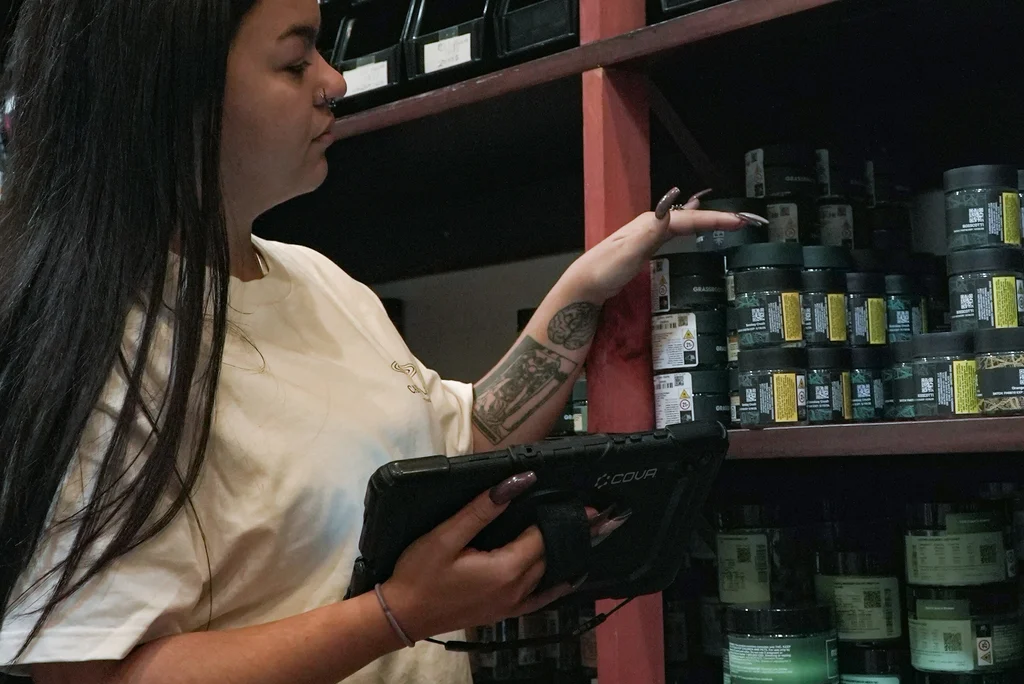
AI also works best when teams are trained. Staff should understand why accurate product entry matters. Managers should review dashboards regularly. Owners should set simple routines: daily sales review, weekly stock review, monthly customer and margin review, and periodic compliance checks.
For many Kenyan SMEs, the next leap is not replacing people with machines. It is giving owners, managers, and cashiers better visibility into the work they already do. When data is captured correctly at the POS, AI can help turn that daily activity into decisions that improve service, reduce stock surprises, protect cash, and support compliance readiness. The strongest gains usually come from ordinary questions asked consistently: what sold yesterday, what should be ordered today, which branch needs attention, which product is losing momentum, and which customers deserve follow-up. AI simply makes those questions faster to ask and easier to answer.
The future of POS is not just selling faster. It is understanding the business faster. For owners who manage several priorities at once, that difference matters. A helpful system should reduce the distance between a question and an answer. It should make stock pressure visible before shelves are empty, show customer patterns before loyalty fades, and highlight branch performance before small issues become expensive. That is the practical promise of AI-enabled POS. It is not about replacing the owner’s instinct or the manager’s experience. It is about giving those instincts better evidence. A business that understands its own patterns can buy smarter, sell with more confidence, serve customers more personally, and prepare for compliance reviews with less stress. The data is already being created at the counter; the opportunity is to turn it into guidance before the day is over, while the team can still act on it.